

Jackpot games can be entertaining, but their potential prizes should never replace a clear spending plan. For readers considering grizzlys quest casino, the most useful starting point is not a promotion or a game title, but an understanding of the available account controls. Deposit limits, session reminders and self-exclusion can help keep gambling within personal boundaries. These tools work best when selected before playing, reviewed regularly and supported by honest tracking of time, money and mood.
Deposit limits are usually the clearest first step because they place a ceiling on how much money can be added to an account over a chosen period. The available settings are described as daily, weekly and monthly limits. Choosing a figure in advance is more reliable than deciding during an exciting jackpot session, when the possibility of a large payout may encourage repeated deposits.
Session reminders serve a different purpose. Rather than limiting money directly, they draw attention to elapsed playing time. This can be valuable when games move quickly or when a player is switching between slots, jackpot titles and other casino categories. A reminder creates a natural pause to check whether the session remains enjoyable and affordable. It should not be dismissed simply because a player has already set a financial limit.
Self-exclusion is a stronger measure for someone who wants to stop gambling for a defined period or longer. It is not the same as taking a short break between games. The available information indicates that some account controls can be managed in the banking or account area, while exclusion requests and certain other restrictions may require support contact. Readers should check the current responsible-gambling section and stated process before relying on a control.
A practical budget begins with money that is genuinely discretionary. Rent, food, utilities, debt payments, savings and other essential commitments should be separated first. Gambling funds should never depend on borrowing, overdrafts or money intended for household needs. A jackpot budget is a leisure expense, not an investment, and losing it should not create pressure elsewhere.
It helps to set both a deposit ceiling and a total spending ceiling. The first controls how much can enter the account; the second considers the complete cost of gambling over a week or month, including funds already lost. A player might also choose a session amount and a time limit. These figures should be written down before opening a game, rather than adjusted because a previous round did not produce the hoped-for result.
Bonuses require additional caution because promotional balances may have conditions, expiry periods and wagering requirements. A player should read the active terms before treating bonus funds as available cash. Jackpot contributions to wagering requirements may also differ from ordinary slots or table games, so the displayed balance can create a misleading impression of progress. If the budget is exhausted, the responsible decision is to stop rather than deposit again to pursue a target.
Concern often appears first in behaviour rather than in a balance. Playing longer than intended, hiding activity from family, checking games during work or losing sleep over results can all justify a pause. So can repeatedly changing a deposit limit, using gambling to escape stress, or feeling unusually irritable after stopping. One sign does not diagnose a problem, but it is a reason to review habits honestly.
Chasing losses is particularly important to recognize. A losing jackpot session cannot be repaired by assuming the next spin is more likely to win. Previous outcomes do not create a personal debt that a future game must repay. Increasing stakes after losses can turn a planned leisure expense into an escalating financial decision, especially when the player is tired, frustrated or affected by alcohol.
A useful pause should be specific rather than symbolic. Log out, remove saved payment details where possible, and avoid returning until the original reason for stopping has been considered. A trusted person can provide perspective, while professional support may be appropriate if gambling is affecting finances, relationships or mental health. The Responsible Gambling Council’s information resources provide general guidance for people in Canada; they do not replace individual advice or confirm any operator-specific feature.
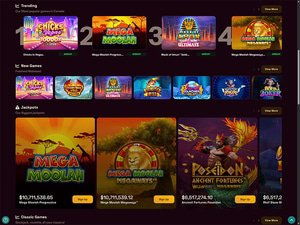
A limit is designed for controlled participation: the player intends to continue gambling occasionally but wants a firm boundary. Self-exclusion is more suitable when moderation has repeatedly failed, when gambling causes distress, or when simply seeing the account makes it difficult to stop. It removes the need to make a fresh decision every time a promotion, jackpot display or personal trigger appears.
Before requesting exclusion, players should consider practical details. They can record pending transactions, review any unsettled account matters and save relevant support information. They should not assume that a pending withdrawal, bonus or promotional balance will be treated in a particular way. The current account terms and support team should clarify what happens to balances, requests and access during the exclusion process.
Self-exclusion should also be supported beyond one account. Blocking gambling websites, removing gambling applications or shortcuts, and asking a bank whether gambling-payment controls are available can reduce temptation. These measures are not substitutes for professional support, but they make the chosen break easier to maintain. If exclusion is requested, opening another account or moving to another gambling service undermines its purpose and may signal that additional help is needed.
Responsible gambling settings should be treated as part of a regular personal review. Once a week or month, compare actual deposits, withdrawals, playing time and emotional response with the original plan. Account banking or transaction records may help identify patterns that are easy to miss when individual sessions seem small. A series of modest deposits can still become significant when viewed together.
Review the settings after major life changes. A new job, reduced income, family responsibility, debt, health concern or period of stress can alter what was previously affordable. A limit that seemed sensible several months ago may now be too high. It is also wise to review access after receiving a large win, because a sudden balance can encourage longer sessions or larger stakes that were never part of the original plan.
Finally, do not judge success by whether a jackpot was won. A responsible session is one that follows the planned time and money boundaries, regardless of its result. If the controls feel inconvenient, that may be useful information rather than a technical nuisance. Stronger restrictions, a longer break or outside support can be appropriate. Players should confirm the current provincial eligibility rules, account options and support procedures before relying on any particular control.
No. A deposit limit can restrict money added through one account, but it may not reflect spending elsewhere or funds already available in the account. It also cannot address time, emotional distress or borrowing. Use it alongside a complete leisure budget, transaction reviews and a willingness to stop when the planned amount is reached.
A session reminder suits someone who wants prompts to pause while maintaining occasional play. Self-exclusion is stronger and is generally more appropriate when gambling is difficult to control, causes harm or repeatedly exceeds the person’s plan. If uncertain, contact support or a qualified service rather than relying on the less restrictive option automatically.
Stop the session and avoid making another deposit to recover the loss. Apply a stronger account restriction, such as self-exclusion, and tell someone you trust what is happening. Review independent support resources available in your province. Repeated chasing is a warning sign that a planned spending limit alone may not be enough.